


Description
Resonant Fir Tagelharpa: features
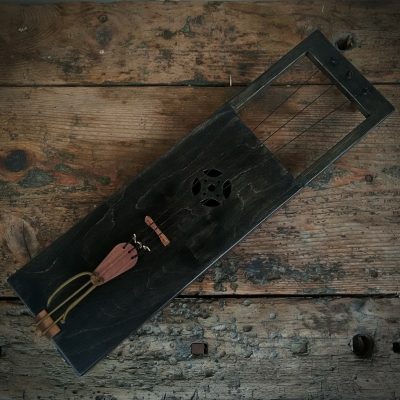
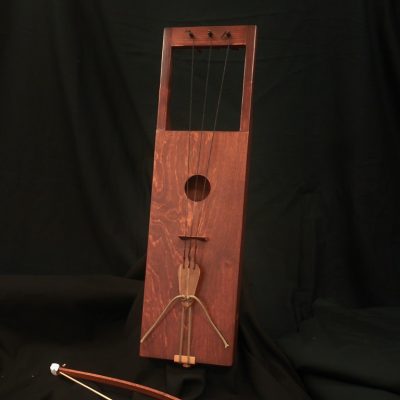
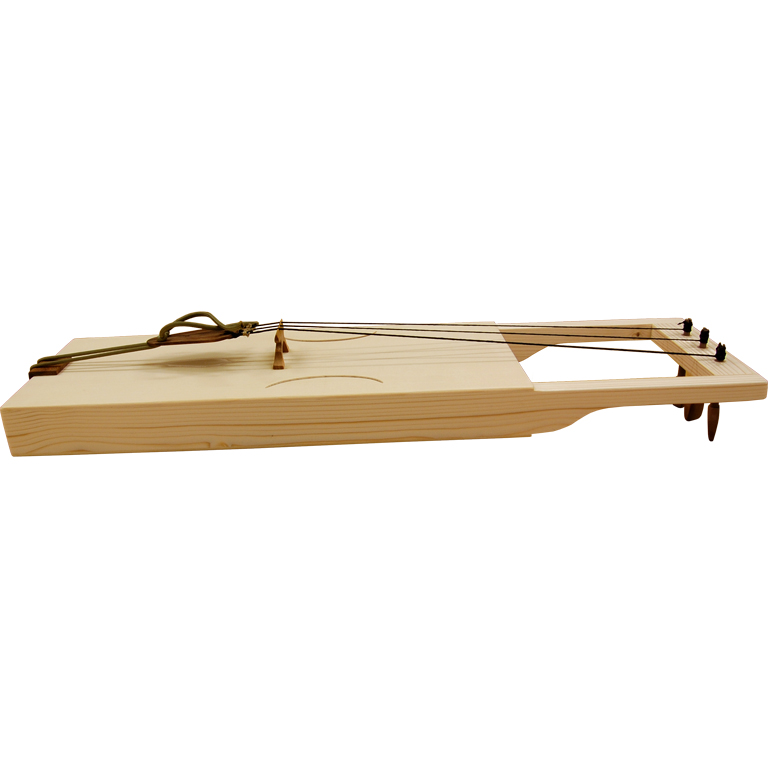
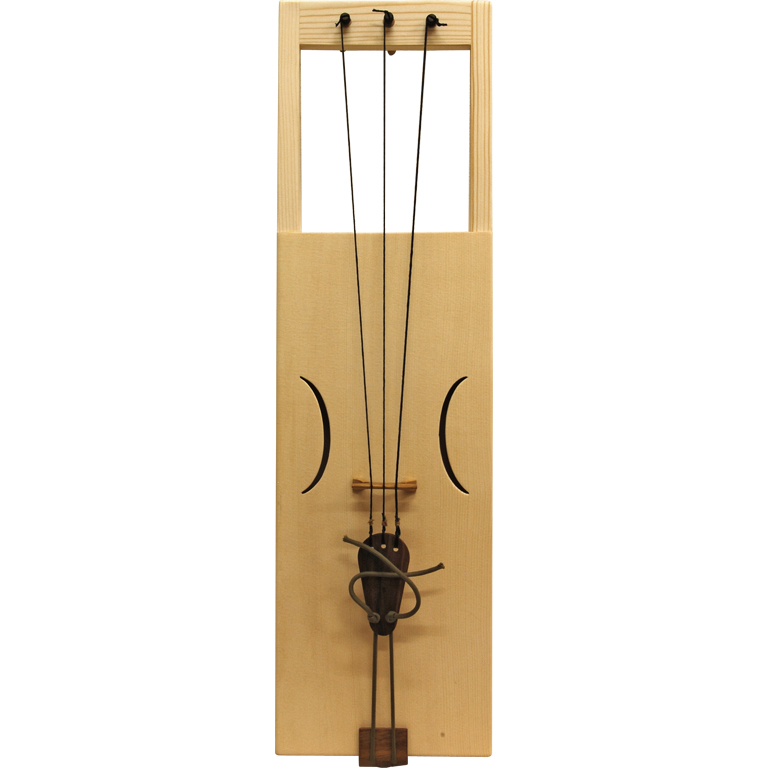
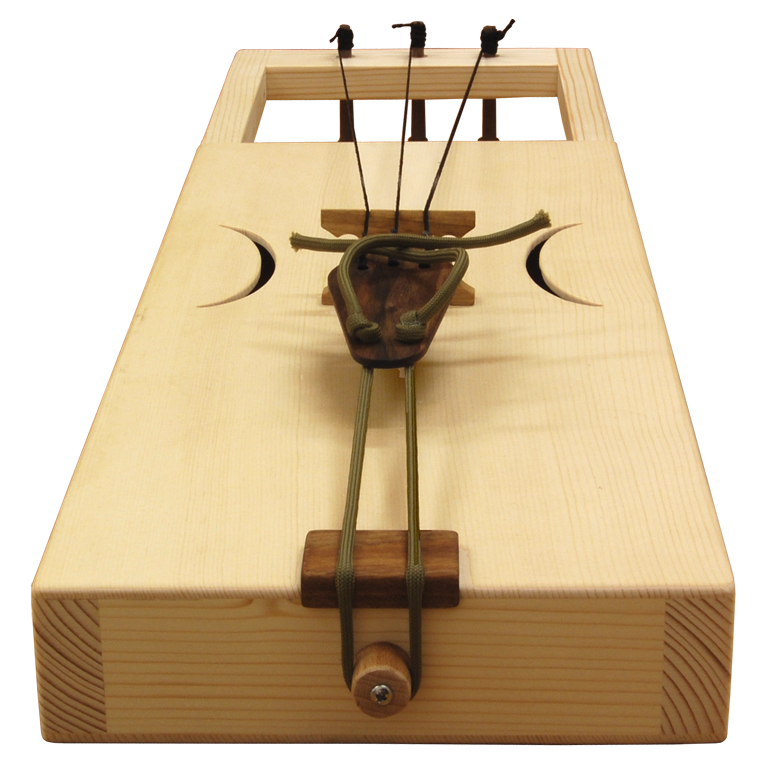
· Tagelharpa has a structure made of solid Fir with high thickness while both soundboard and backboard are made of Resonance Fir from Val di Fiemme, a generous wood that, with legno generoso che, through appropriate arrangements and couplings, it allows to produce a sound volume superior to all the other models, with very high fullness and acoustic details.
In this model, electrifiable as the other models but which most fully expresses its extraordinariness in acoustics, the constructive aspects have been particularly taken care of, intended to achieve the best possible sound, robustness, tuning stability and practicality of use.
· The bridge is made based on a special design looking for the best sound definition, the backboard in resonant fir (as the soundboard) ensures greater acoustic power, the carefully positioned soundpost brings the most efficient distribution of sounds and special hardwood bushings set in the peg seats give stability, durability, and rigidity.
· The rigid selection of materials and the constructive care make this excellent Tagelharpa for both the professional and for the enthusiast who seeks a tool by the acoustic and mechanical qualities of the upper level.
· The headband is made of Italian walnut, finished as the instrument, and assembles blond hair.
Tuning:
The strings of the Mahogany Tagelharpa can be tuned:
Melodic string: from B 246 Hz to D 293 Hz
High drone: from B 246 Hz to D 293 Hz (frequency in unison with the melodic string)
Low drone: from F# 185 Hz to A 220 Hz
History
The Tagelharpa (also called Talharpa) is a bowed lyre orgined in northern Europe. It spread widely in Scandinavia after the Viking age and is still used in some of the northern territories (of particular importance the tradition of the Estonian islands). Its existence in medieval Scandinavia is witnessed by artistic and archaeological sources, such as the wall painting in Røldal (XII-XIII century) and the sculpture of Trondheim Cathedral (XIV century). Also widely spread its close Finnish relative, the Jouhikko.
<<< Back to the category: Arco lire - Treenharpa